Featured
Table of Contents
When Google Voice was released in 2012, and then Amazon Alexa was released in 2014 voice search was anticipated to be highly prominent. It's part of voice search, and users typically connect with search engines to total purchases. For SEO specialists, there are 2 core functions you should pay attention to: People frequently utilize voice searches when they're taking a trip to browse for things they need and locations they require to go.
How the SEO Landscape Shapes Digital Marketing
There are all sorts of factors someone may prefer or require to use their voice to gain access to search engines. This means you need to focus on not only natural rankings however also SERP features, because SERP features tend to much better represent natural language selected up in voice search and where you want presence.
Voice assistants can link to accounts with saved payment choices and perform the procedure automatically. Using a smart assistant, likely on a phone or a vehicle's own voice recognition function, to direct them to a regional company for a specific need.
While driving, looking for something to eat or a coffeehouse. "Hey Google, show me cafe close by." Utilizing an Amazon Echo device to develop a wish list. "Alexa, add eggs to my shopping list." Asking a voice assistant where to find a specific product. "Hey Siri, where can I get cast iron pans?" Users interact with voice assistants to address concerns or find info.
Accessing search functions using a voice assistant. Someone utilizes a voice assistant to come up with a quick answer.
Generally, every mobile phone is likewise a voice device, so I discover it practical to believe about the location in the journey a user is when they utilize their voice. If you have a look at what people state they use their voice assistants for, there isn't much room for traditional SEO discovery in the sense of Googling things, in the real-world functions.
Preparing for the Rise of Voice Search Intent
Voice recognition technology has a long history, but the first real voice assistant was Siri, released on the Apple app shop in 2010 and incorporated into the iPhone in 2011. Numerous voice assistants have connectivity to either the internet at big or certain elements of search functionality, such as Google Maps.
Advanced Technical Performance for High-Growth Accounting Seo For Qualified LeadsApple Siri. Microsoft Cortana. Amazon Alexa. Voice search is embedded into lots of gadgets. Some have limited functionality, like a Roku remote that look for TV programs and motion pictures. Others can access nearly anything online, like an Amazon Echo or the Google voice assistant. There's voice tech in your phone and your cars and truck if you've purchased a car made in the last 10 years.
Gadgets that can connect to voice search functions include: Phones. Voice assistant gadgets (such as the Echo). It doesn't make a whole lot of sense for you to do SEO for someone giving voice commands to devices around their house.
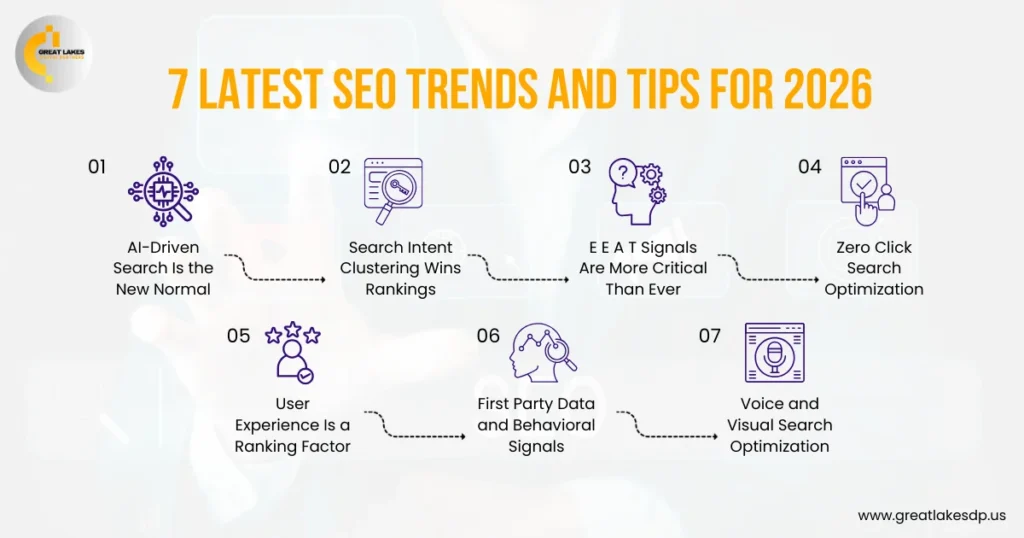
These intents also notify your approach and the methods you use to target users engaging with voice search. People with visual impairments likely use gadgets like screen readers and may utilize voice interactions to engage with content online. Ensuring your content is easy for gadgets like screen readers to navigate enhances the user experience for all users, not just those needing availability functions.
Adapting for a Growth of Conversational Intent
Voice searches are frequently conducted for convenience when a user doesn't need to spend time searching or when they require something rapidly. Utilizing the voice function in your vehicle or on your phone to look for a local service while you're out.
This innovation is advanced and fully grown and can read the web. There truly is no downside to targeting voice search if you think about it in terms of intent and utilize case. If you perform well in voice search, you likely also perform well in total SEO since voice assistants can link to external sources to supply you with info.
However, certain elements of voice search require specific attention, such as conversational inquiries, Amazon shopping, and regional search. Voice search and local questions are carefully lined up due to the usage case. People on the road, searching for someplace to stop, will likely use voice search. Or they may look for someplace to go right before leaving your house.
It's important to enhance for the Map Load, develop your Google Company Profile, and develop local-SEO friendly websites to serve these voice search intents. You wish to make a local-focused experience as smooth as possible. When people are out traveling or running errands, being the very first to serve their immediate and specific needs can imply walk-in traffic.
Top-Rated Analytics Tools for Modern Teams
Browse to your service profile by searching for your organization. Screenshot from Google Business Profile, November 2024 Make sure that you add items and services to your Google Business Profile.
Include information about all of the things you use. Pair this with keyword research study to understand what individuals are trying to find and align your offerings with their intent and phrasing. Screenshot from Google Organization Profile, November 2024 Follow these resources from SEJ to accomplish higher regional rankings and appear in local voice searches: The Alexa environment gets in touch with users' Amazon accounts and allows them to make purchases quickly and easily using their voice.
While the Alexa environment often indicates that users skip platforms like Google, that does not imply SEO is unimportant. Amazon is a search engine, too, and effectively optimizing your service and items on the platform could assist you increase sales via direct voice purchases. Other voice assistants might access search engines like Google for item searches.
Why Machine Learning Refines Modern Marketing Workflows
SERP features and AI Overviews focus on offering short, quick summaries and answers to particular questions. If you can appear in these additional features, then you're right at the top of the page where those inquiries are addressed, whether they're typed or spoken. Structured data is especially essential for voice inquiries, especially those spoken back to the user without a screen.

Latest Posts
Will AI-Driven Design Change UX in 2026?
How AI Reshapes Digital Content Performance
Maximizing Flexibility with Microservices Architecture